Eileen Higgins ran for Miami mayor on a platform she called "Miami for All." She won. Her record as District 5 commissioner included nearly 7,000 affordable and workforce housing units planned or completed, tenant protections, and funding for two rapid-transit corridor expansions. For a city drowning in affordability headlines, it was exactly the resume voters wanted to see. Then the Metromover went dark at 10 p.m.
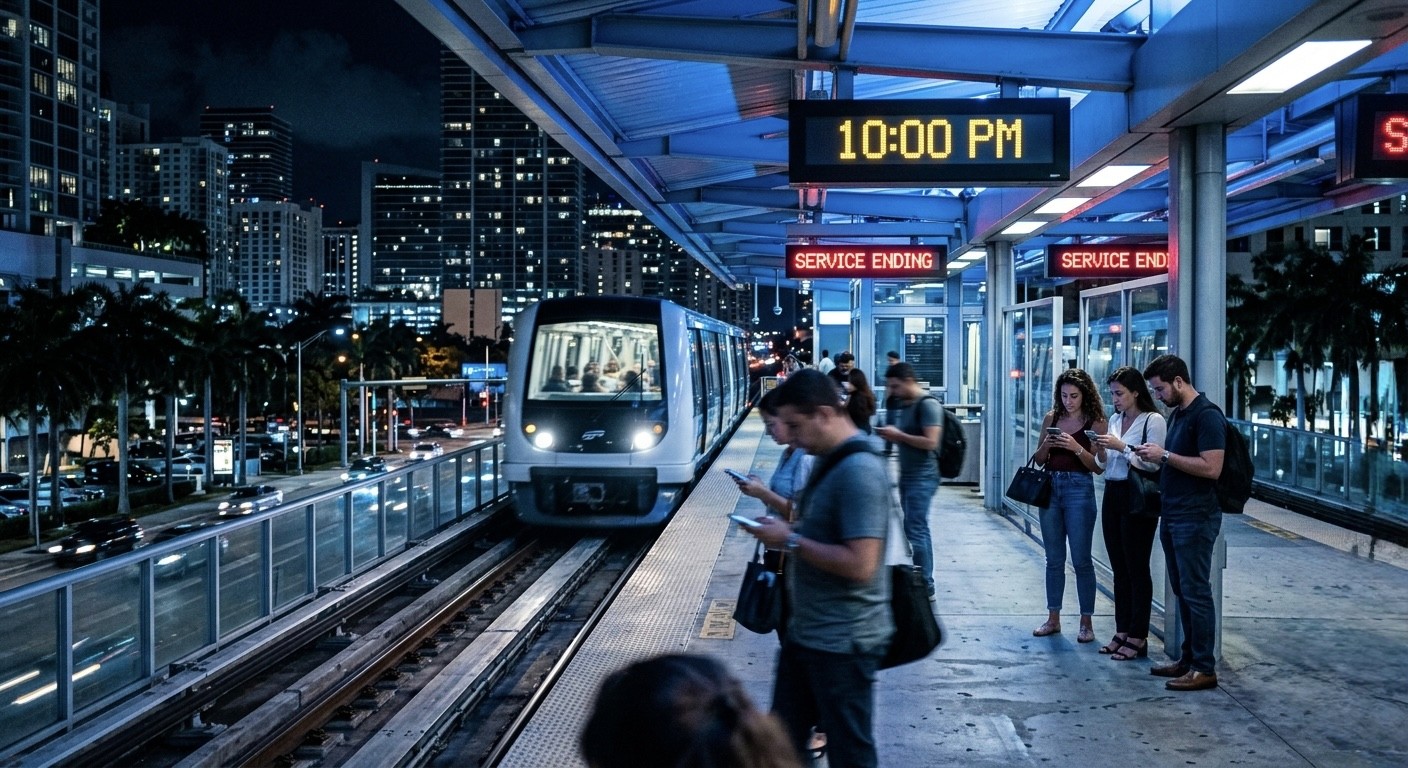
Effective June 1, 2025, Miami-Dade's Department of Transportation and Public Works cut Metromover service hours from a 5 a.m.-to-midnight window down to 5:30 a.m. to 10 p.m., citing the need for additional overnight maintenance time as part of a systemwide upgrade project that began construction in July 2022. The announcement said the new hours would remain in effect "until further notice." That phrase does a lot of heavy lifting when you are talking about a free transit system that serves downtown Miami, Brickell, and the Omni corridor, neighborhoods where thousands of service-industry workers, students, and residents without cars depend on it after dark.
The upgrade project promises real improvements: better system reliability, increased vehicle frequency, reduced wait times, the ability to run loops in different directions, and smoother braking and acceleration on a system that has been in operation since 1986. Nobody disputes that the Metromover needs work. The issue is how the work is being communicated, and what riders are actually experiencing in the meantime.
Loops, Signs, and the Sound of Nothing Useful
Riders who depend on the Metromover after 10 p.m. now face a dead platform and a decision: wait for a bus that may or may not come, pay for a rideshare, or walk. The system's real-time signage still displays arrival times for trains that are not running. Station announcements loop the same recorded message about service improvements with no mention of the current cutback. If you did not check the county website before leaving home, you would have no idea the last train already left.
The Metromover carried roughly 30,000 riders per weekday before the pandemic. Ridership has recovered to about 60 percent of that figure, according to Miami-Dade Transit data. Cutting evening hours removes service during the window when downtown restaurants, bars, and cultural venues are busiest. Workers finishing late shifts in Brickell office towers or hotel staff leaving the Omni corridor after 10 p.m. are the ones absorbing the cost of this maintenance schedule.
What 'Miami for All' Looks Like at 10:01 p.m.
Higgins campaigned on transit equity. Her District 5 office pushed for two rapid-transit corridor expansions and championed the Metromover as a lifeline for low-income commuters. The 10 p.m. shutdown landed five months into her first term as mayor. Her office has not publicly opposed it or demanded a revised timeline from the county. The silence is the statement.
Miami-Dade County approved $6.1 billion in transit surtax revenue through the half-penny sales tax voters passed in 2002. The county's own inspector general has repeatedly flagged how little of that money has gone toward the rapid-transit expansions voters were promised. The Metromover upgrade is funded separately through the county's capital budget, but the pattern is familiar: big promises, slow delivery, and the people who rely on public transit paying the price in lost time and missed shifts.
The Question Nobody at City Hall Wants to Answer
If the Metromover upgrade was always going to require reduced hours, why was it not disclosed during the mayoral campaign? If Higgins knew, she should have said so. If she did not know, it raises a different question about how much oversight the mayor's office actually has over the county transit decisions that shape daily life for hundreds of thousands of residents.
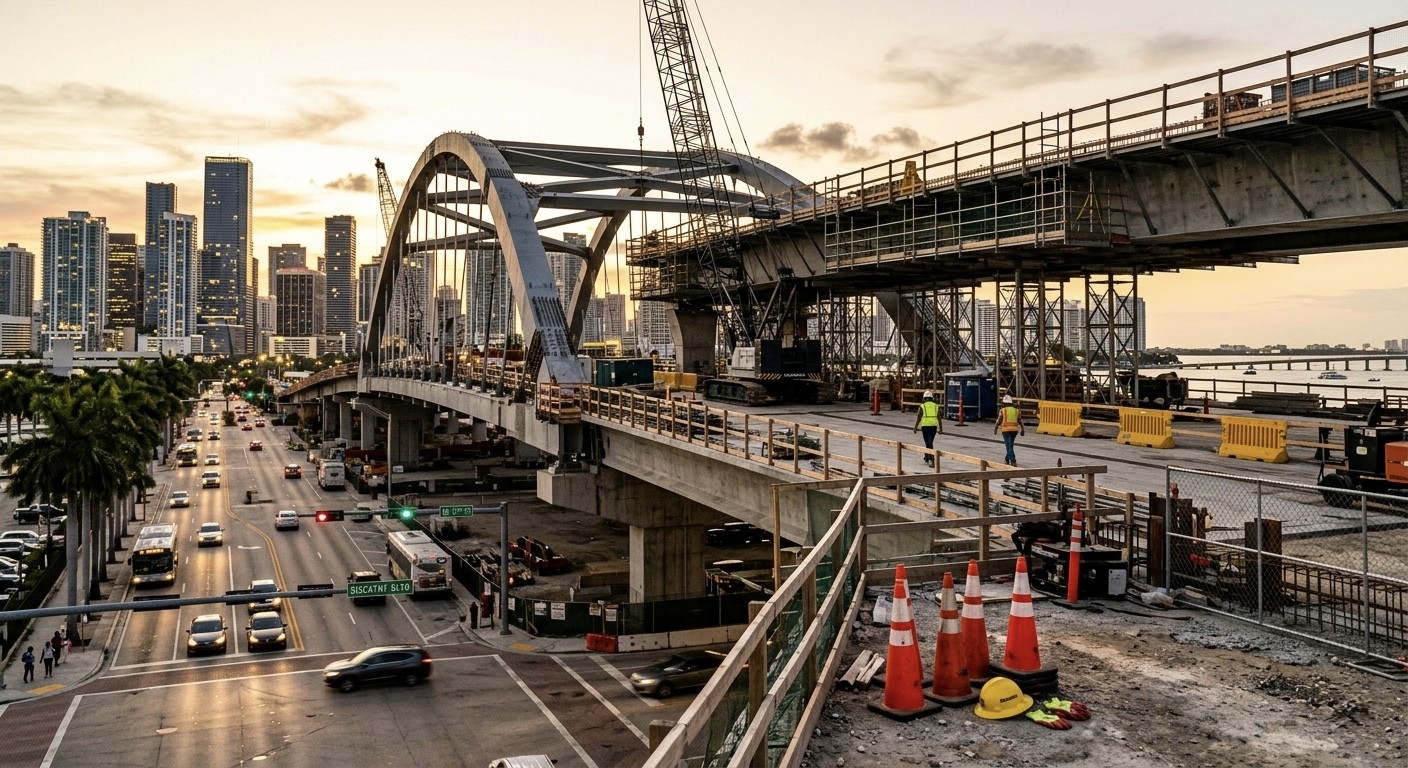
The construction timeline originally projected completion by late 2026. County documents now reference a phased rollout extending into 2027. No updated completion date has been formally announced. No public hearings have been scheduled to discuss the impact of reduced service hours on riders. No alternative shuttle or bus bridge has been proposed for the 10 p.m. to midnight gap.
A free transit system that stops running when people still need it is not free. It is a subsidy with a curfew. And a mayor who built her platform on transit equity owes her constituents a straight answer about when the trains will run past 10 again, or whether they ever will.
Sources: Miami-Dade County Department of Transportation and Public Works, Miami-Dade Transit Ridership Data, Miami Herald, Miami-Dade Office of the Inspector General, City of Miami Mayor's Office, Miami-Dade County Capital Budget FY2025.
STAY IN THE KNOW
The stories shaping culture, delivered straight to your inbox.
Get exclusive editorial coverage on the events, brands, and trends that matter most. No spam, just substance.