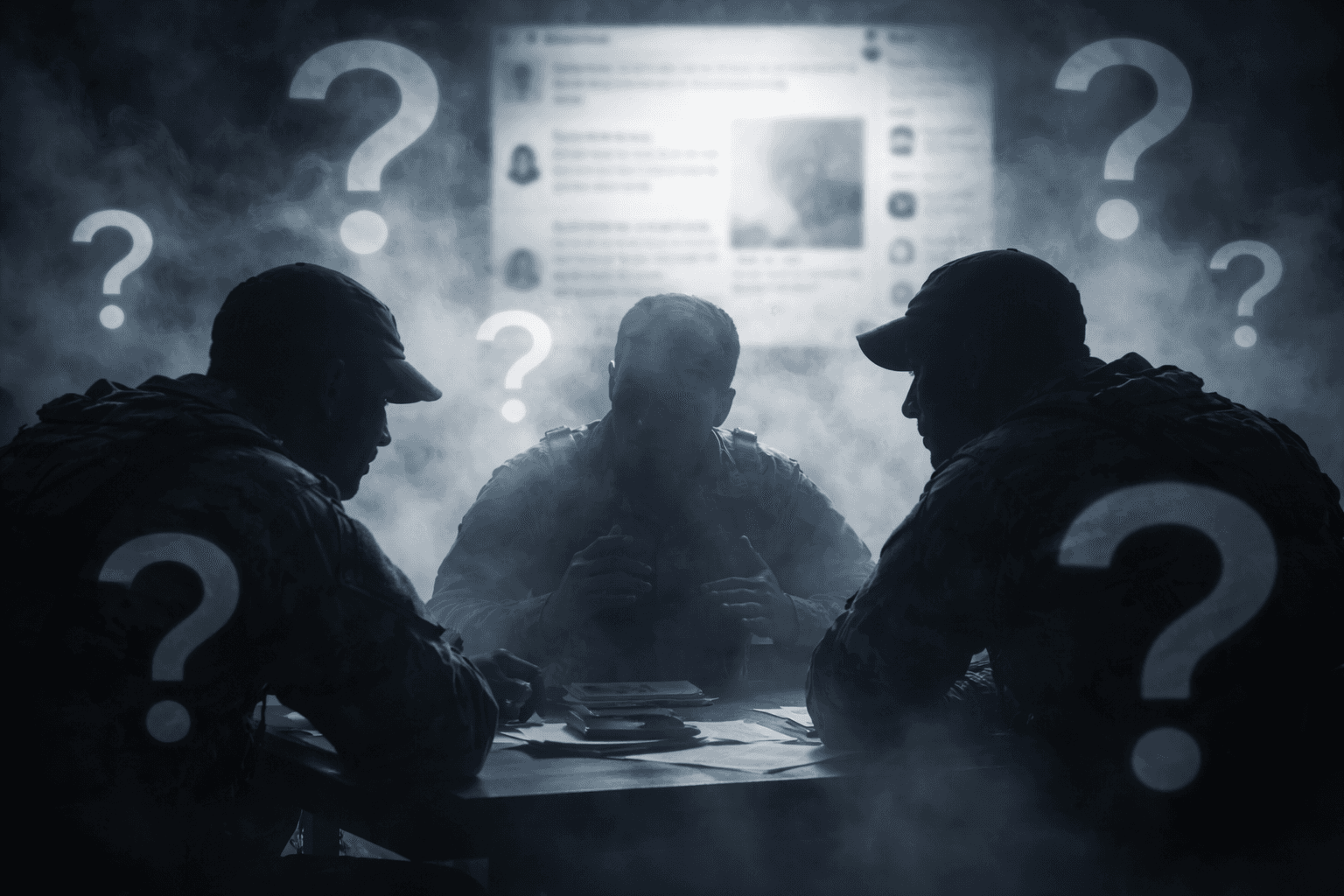
A graphic circulating widely on Instagram, Facebook, and Threads carries a headline designed to detonate on contact: "U.S. Troops Are Smoking Weed to Fail Drug Tests and Avoid Fighting in Donald Trump's War." The image has racked up tens of thousands of shares in a matter of days, propelled by a combustible mixture of anti-war sentiment, military skepticism, and the evergreen appeal of a rebellion narrative. The claim is that American service members are deliberately using marijuana to trigger positive urinalysis results, forcing administrative discharge rather than risk deployment to conflict zones in the Middle East and the Caribbean. It is a story that hits every nerve at once: war, weed, rebellion, Trump, and the military. But beneath the incendiary headline, the evidence is remarkably thin.
The rumor gained significant traction following a post by the Instagram account knowledgedome1, which described the alleged behavior as a "silent protest" against potential deployments linked to escalating tensions with Iran following joint U.S.-Israeli airstrikes and ongoing counter-narcotics missions in the Caribbean. The post sparked intense debate across multiple platforms, with users speculating that troops were smoking cannabis to force their way out of service rather than participate in what they characterized as unnecessary or unjust conflicts. Comparable messages appeared on Facebook groups and Threads, where the narrative quickly took on a life of its own.
The Claim Falls Apart Under Scrutiny
Here is the problem: as of this writing, the Pentagon has issued no comment on the specific claims, and no verified data supports the existence of a coordinated "weed walk-out" within the ranks. The International Business Times, one of the few outlets to cover the story, explicitly noted that the claims "remain unverified." No Pentagon statistics indicate a spike in positive marijuana tests that would corroborate the protest narrative. The story exists entirely in the realm of social media speculation, anonymous quotes, and vibes. It resonates because it fits what some people want to believe about the mood in the military, and it spreads faster than boring official numbers ever could.
To understand why the claim is plausible enough to go viral, it helps to understand the military's drug testing regime. The Department of Defense maintains a zero-tolerance policy on drug use that is among the strictest in any American institution. Urinalysis screens detect cannabis at an initial threshold of 50 nanograms per milliliter, with confirmation testing at 15 nanograms via gas chromatography-mass spectrometry, the most exacting standard in common use. A positive test can trigger non-judicial punishment under Article 15 of the Uniform Code of Military Justice, administrative separation, or in serious cases, a courts-martial proceeding. A dishonorable discharge resulting from a drug offense can permanently stain a veteran's civilian employment prospects and strip access to VA benefits.
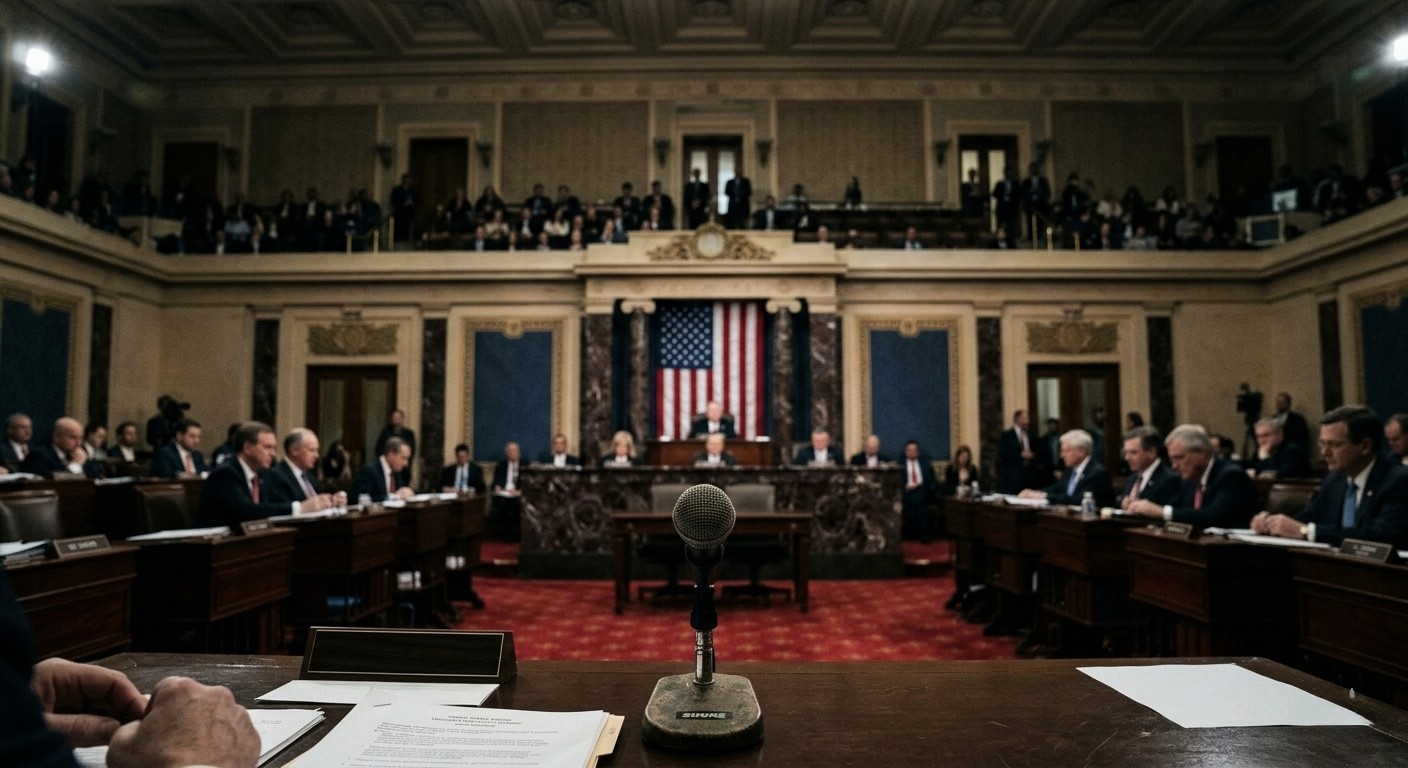
Marijuana consistently tops the list of substances detected in military drug tests, year after year. This is not surprising given that cannabis is now legal for recreational use in more than half of U.S. states and the District of Columbia, creating a stark disconnect between civilian norms and military regulations. The tension between these two realities has been a persistent headache for military recruiters. In September 2025, the House of Representatives voted to expand marijuana waivers for military recruits who test positive for THC, acknowledging that the armed forces face ongoing recruitment and retention challenges. The amendment, sponsored by Reps. Dave Joyce and Dina Titus, co-chairs of the Congressional Cannabis Caucus, called on the Air Force, Space Force, and Marine Corps to develop permanent waiver systems similar to those already implemented by the Army and Navy.
What the Evidence Actually Shows
This legislative context is important because it reveals a genuine tension within the military establishment about how to handle marijuana in an era of widespread legalization. But the existence of a recruiting problem does not validate the claim that active-duty troops are organizing a coordinated cannabis protest. These are separate issues being conflated in the viral narrative to give the appearance of a trend where no documented trend exists.
The broader context of military substance use actually cuts against the protest narrative. A Department of Defense report released in April 2025, mandated by Congress, found that both fatal and nonfatal drug overdoses among service members dropped by more than 40 percent over a two-year span from 2021 to 2023. Active-duty fatal drug overdoses reached an eight-year low in 2023, and fentanyl-related deaths hit a seven-year low. The military's overdose rate of approximately 4.4 per 100,000 service members was dramatically lower than the national civilian rate of about 29.2 per 100,000. None of this suggests an institution in the grip of a drug-fueled rebellion.
What makes the "weed walk-out" narrative so sticky is that it taps into legitimate anxieties. Deployment fears are real. Conscientious objector applications have reportedly increased. Morale concerns in the ranks are not fabricated. The disconnect between service members who joined during peacetime and the prospect of combat operations in Iran or elsewhere generates genuine tension. But turning those anxieties into a specific, dramatic claim about coordinated drug use without evidence is not journalism or activism. It is content creation optimized for engagement.
The Pentagon's silence on the matter has, predictably, fueled further speculation. If positive test rates were rising dramatically, the argument goes, the military would publicize the data to crack down. Conversely, if the claims were baseless, why not simply deny them? This is the logic of conspiracy thinking: silence becomes proof, and denial becomes confirmation. The reality is likely more mundane. The Pentagon rarely responds to viral social media posts, and doing so would grant legitimacy to unverified claims while potentially drawing more attention to them.
Message to the public: a screenshot is not a statistic. Before you share a claim this big, check whether credible outlets have published documented numbers, not just anonymous quotes and vibes. Posts like this can shape how civilians see the military, how allies and adversaries assess American readiness, and how service members themselves are perceived by their communities. The consequences of amplifying unverified claims about military discipline extend far beyond the engagement metrics of a single Instagram post.
If there is a genuine story here, it will eventually surface through official channels, congressional hearings, or investigative journalism with named sources and verifiable data. Until then, this remains what it is: an unverified claim that went viral because it confirmed what a certain audience already wanted to believe. That does not make it true. It makes it popular. Those are not the same thing.
Sources: International Business Times (ibtimes.co.uk), Department of Defense Report to Congress on Drug Overdoses (April 2025), Stars and Stripes, Marijuana Moment, Smart Approaches to Marijuana Action, U.S. House of Representatives NDAA proceedings.
STAY IN THE KNOW
The stories shaping culture, delivered straight to your inbox.
Get exclusive editorial coverage on the events, brands, and trends that matter most. No spam, just substance.