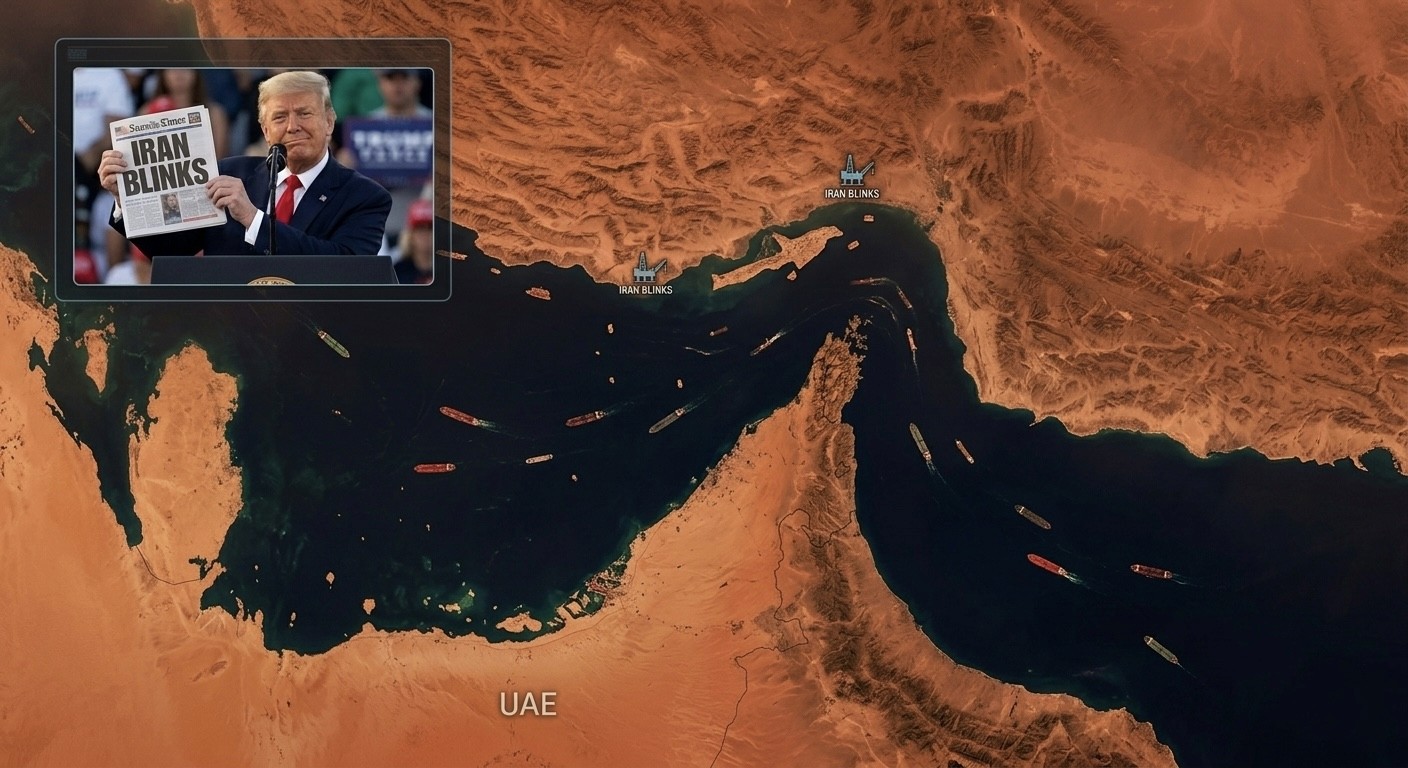
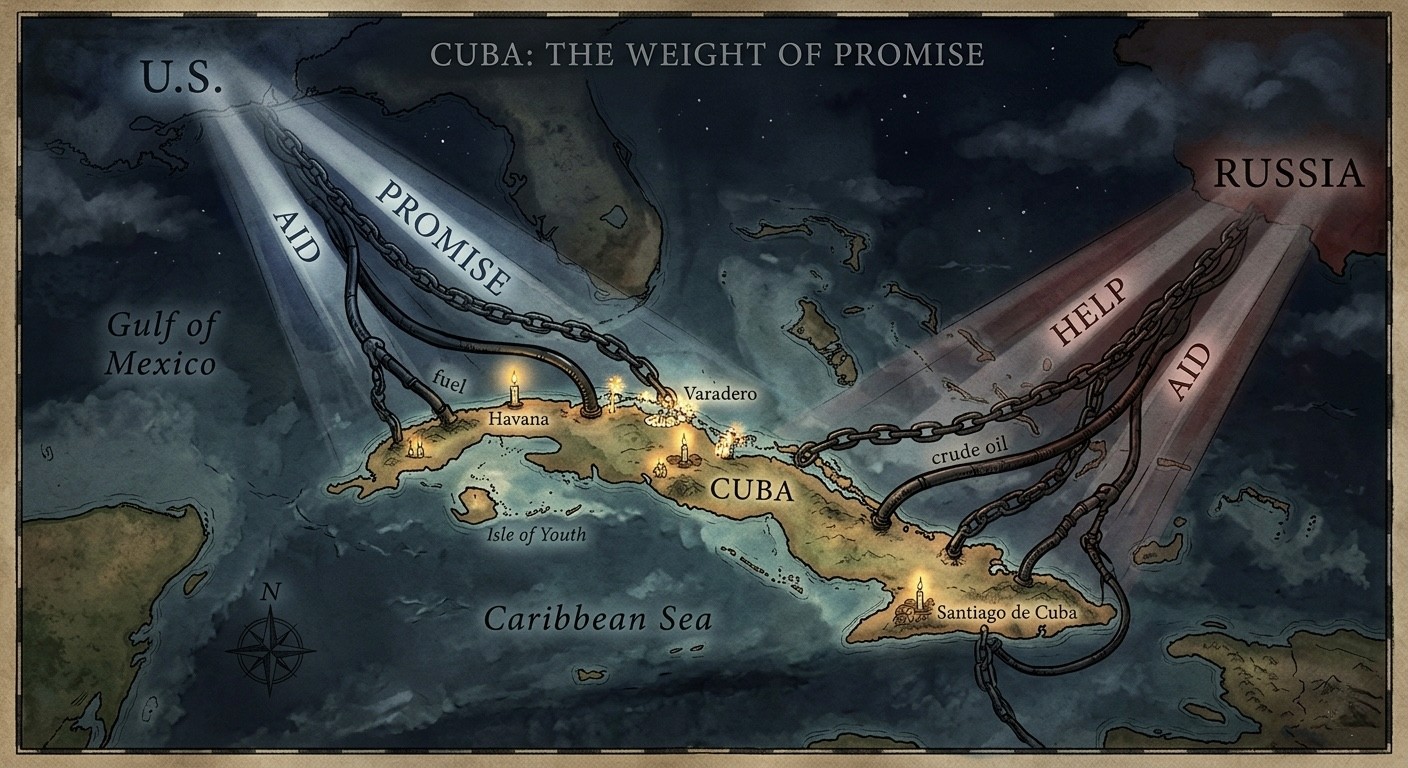
A Russian tanker named the Anatoly Kolodkin is making its way toward Havana at 12 knots, carrying hundreds of thousands of barrels of crude oil. Moscow calls it humanitarian aid. Washington calls it a provocation. And for the 10 million Cubans living through an energy crisis that has turned daily life into a survival exercise, the geopolitics of who sends the fuel matters far less than whether the lights come back on.
Cuba's Blackout Reality
Cuba imports roughly 60 percent of its energy supply, and the island's power grid has been in a state of slow-motion collapse for years. Aging Soviet-era power plants, chronic fuel shortages, and cascading equipment failures have made rolling blackouts of 10 to 20 hours a daily reality across much of the country. Food spoils without refrigeration. Water pumps stop. Hospitals operate on backup generators when they have fuel, and on prayer when they do not. The crisis deepened dramatically after the US captured Venezuelan President Nicolas Maduro earlier this year, cutting off Cuba's primary oil supplier overnight.
Tourists in the Light, Locals in the Dark
What makes the crisis politically toxic is the visible inequality in how the remaining electricity is distributed. Major hotels and resort compounds receive priority fuel and backup generator access. Five-star lobbies glow while surrounding neighborhoods sit in darkness. The state's calculus is simple: tourism generates hard currency the government needs to survive. But the optics of air-conditioned hotel corridors next to sweltering apartment blocks are fueling a resentment that decades of revolutionary rhetoric can no longer contain.
Russia's Humanitarian Fuel
Into this vacuum, Moscow has arrived with tankers and a carefully crafted narrative. Russian Energy Minister Sergei Tsivilev confirmed on March 25 that Russia is sending fuel to Cuba, framing the shipments as humanitarian assistance. The Financial Times reported that a Russian tanker delivered gasoline to the island earlier in the month. The political message is unmistakable: even as Russia fights a war in Ukraine and faces its own economic pressures, it can still project influence in America's backyard.
The aid is not limited to fuel. A coalition of international solidarity organizations has arrived in Havana with solar panels, food packages, bicycles, and medical supplies. A flotilla of three ships carrying 30 tons of humanitarian aid departed for Cuba, with figures including British MP Jeremy Corbyn and Irish hip-hop group Kneecap among the passengers. Brazil has announced plans to send 20,000 tons of rice, beans, and powdered milk.
The Hidden Cost
But Russian oil does not come free, even when it is labeled as aid. Accepting Moscow's fuel pulls Cuba deeper into the orbit of a patron state, a pattern the island has repeated with the Soviet Union, then Venezuela, and now potentially Russia. Energy experts warn that Cuba risks entanglement in the sanctions-dodging dark fleet networks that Russia uses to move oil globally. The US Treasury has already responded to the reported shipments by amending sanctions waivers for Russian oil tankers, specifically barring transactions that include Cuba.
For Havana, the calculus is straightforward but grim. When your grid is collapsing and your hospitals are running out of diesel, any ship carrying fuel is difficult to refuse. The Cuban government is trying to keep its options open, maintaining quiet discussions with Washington while accepting what Moscow sends. But the space for that balancing act is narrowing by the day.
Trump's Countermove
The Trump administration is blocking Russian shipments not out of concern for Cuban sovereignty but to prevent Moscow from becoming Cuba's savior. The strategic logic is clear: if the US can maintain the energy squeeze long enough, it positions itself as the only entity capable of eventually turning the lights back on. Trump has said publicly that Cuba is going to fall and that he plans to assign Secretary of State Marco Rubio to handle the situation once the Iran conflict is resolved.
The result is an island caught between two powers, each offering a version of rescue that comes with strings attached. Russia frames its oil as solidarity. America frames its embargo as tough love. And Cubans, sweating in the dark while tourists sip mojitos under generator-powered lights, are left to wonder which version of help will actually arrive.
What Comes Next
The diplomatic landscape around Cuba is shifting rapidly. China has notably stayed quiet on the fuel question, though Beijing has its own history of extending economic lifelines to Havana in exchange for political alignment. If Moscow's tankers are turned away by US enforcement, the question becomes whether another patron state steps in to fill the vacuum, or whether the pressure finally forces Havana to the negotiating table on American terms.
The immediate question is whether the Anatoly Kolodkin and other Russian vessels will successfully deliver their cargo or be intercepted by the expanding web of US sanctions enforcement. The larger question is whether Cuba's next chapter will be written by Moscow, Washington, or by Cubans themselves. After six decades of dependency on foreign patrons, the island's people are running out of patience with all of them.
The Human Cost of Energy Diplomacy
Behind the geopolitical maneuvering, ordinary Cubans are paying the steepest price. In Havana's Cerro district, residents have organized neighborhood watch systems to protect food supplies during blackouts. Families pool resources to buy ice from private vendors who charge up to five times the normal rate. Elderly residents who depend on electric medical equipment face life-threatening situations every time the grid fails, and local hospitals report a sharp increase in heat-related emergencies during extended outages. The psychological toll is mounting as well. Mental health professionals in Cuba have noted rising rates of anxiety and depression linked directly to the uncertainty of daily power supply. Parents describe the stress of keeping children safe in apartments that become dangerously hot within hours of losing electricity. Small business owners who invested their savings in private restaurants or repair shops watch their livelihoods evaporate with each blackout, unable to keep inventory fresh or equipment running. The energy crisis has also accelerated emigration. Thousands of Cubans have joined the migration routes through Central America and Mexico, citing the blackouts as the final breaking point. For those who remain, the question is not which superpower will rescue them but whether any outside intervention can fix an infrastructure problem decades in the making. The Anatoly Kolodkin may bring temporary relief, but it cannot rebuild a grid that was already failing long before the current geopolitical standoff began.
STAY IN THE KNOW
The stories shaping culture, delivered straight to your inbox.
Get exclusive editorial coverage on the events, brands, and trends that matter most. No spam, just substance.