Cuba's energy crisis has reached a breaking point in 2026, with the island experiencing three nationwide grid collapses in March alone. Over 10 million residents have been plunged into darkness, enduring daily blackouts lasting up to 15 hours. Yet amid the chaos, five-star hotels and tourist resorts remain illuminated, their backup generators humming while ordinary Cubans struggle to keep food from spoiling and water flowing. The stark contrast has drawn international scrutiny and raised uncomfortable questions about who gets to keep the lights on when an entire nation goes dark.
A Grid on the Verge of Collapse
Cuba's electrical infrastructure has been deteriorating for decades. The island relies on aging thermoelectric plants, many built during the Soviet era, that require constant maintenance and a steady supply of imported fuel. The country produces barely 40 percent of the fuel it needs domestically, making it heavily dependent on foreign oil shipments.
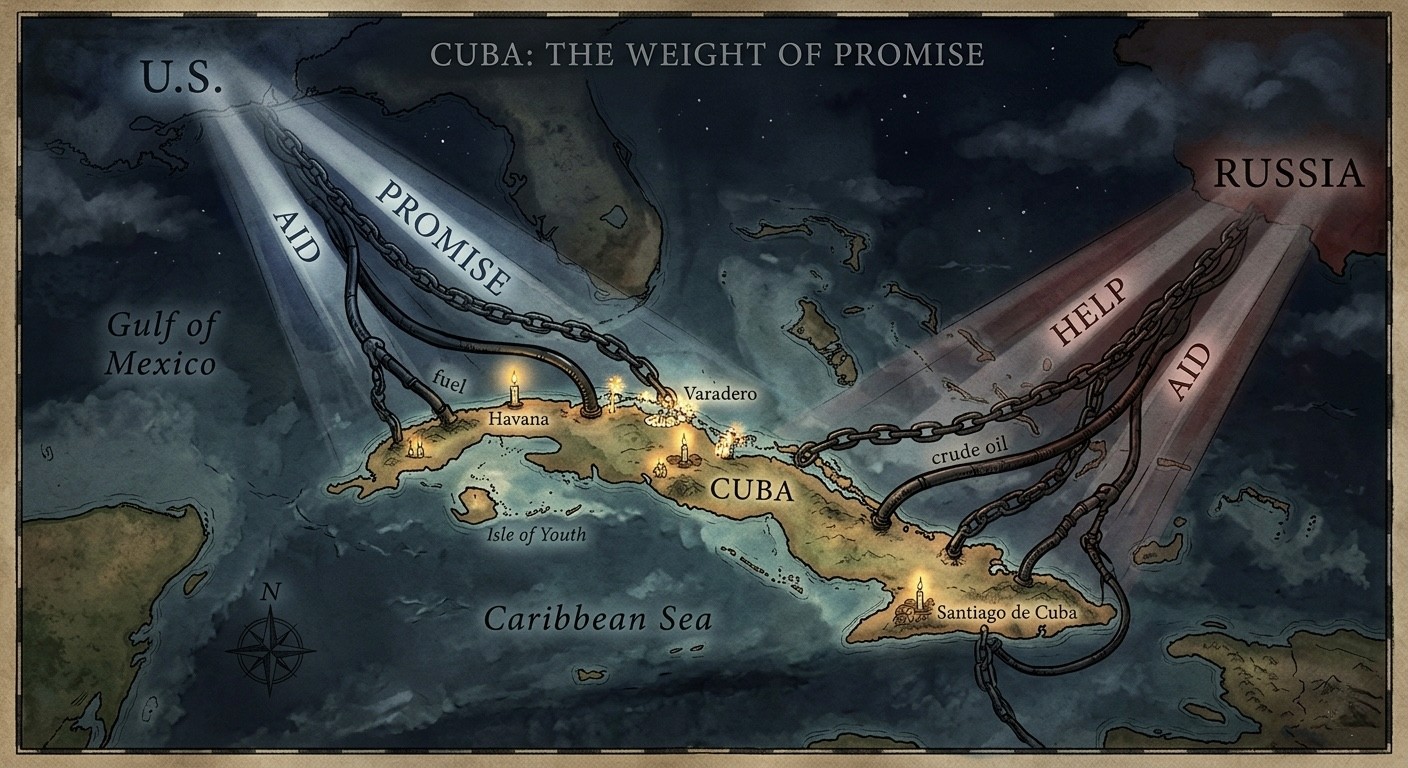
President Miguel Diaz-Canel has acknowledged that Cuba has not received oil from foreign suppliers for three months. The situation worsened dramatically after US sanctions disrupted Venezuelan oil deliveries, which had long been Cuba's primary energy lifeline. The resulting fuel shortage has left the national grid operator, UNE, unable to generate enough electricity to meet even basic demand across the island.
On March 22, the grid collapsed for the third time that month after an unexpected shutdown at the Nuevitas thermoelectric plant in Camaguey province triggered a cascading failure across all connected generation units. The Cuban Electric Union reported that restoration efforts prioritized essential facilities like hospitals and water supply systems, but for millions of residents, the wait for power stretched well beyond 24 hours.
Two Cubas: Resorts With Power, Neighborhoods Without
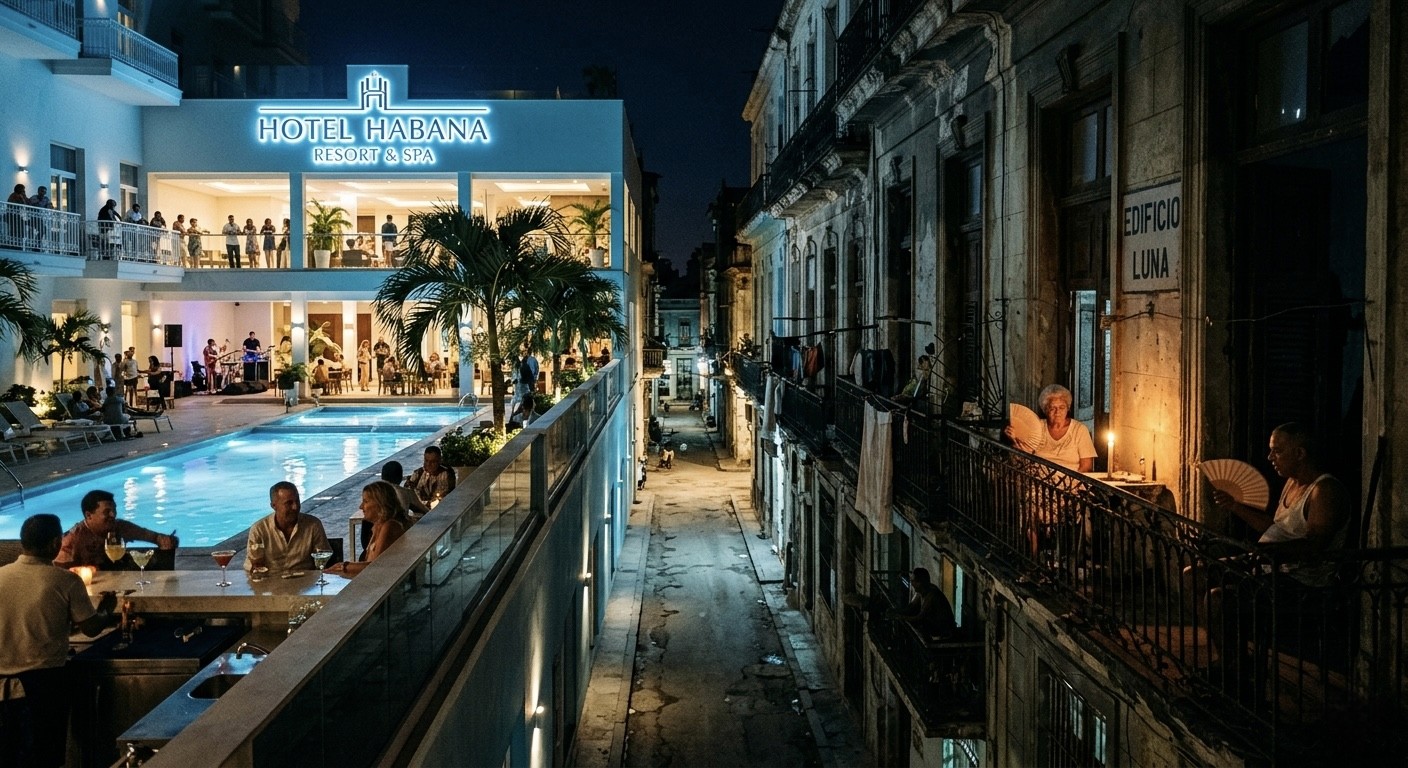
Perhaps the most jarring image to emerge from Cuba's blackout crisis is the visible divide between tourist zones and residential neighborhoods. Viral footage shared across social media in late March showed entire city blocks in total darkness while nearby five-star hotels blazed with light.
International resort chains like Melia and Barcelo maintain their own backup generators, allowing them to operate independently of the national grid. For guests paying premium rates, the experience inside the resort walls can feel largely unaffected. But step outside, and the reality is starkly different. Residents describe broken refrigerators from voltage surges, inability to pump water, and daily disruption of work and school schedules.
The Cuban government has long maintained what observers call a tourism bubble, shielding visitors from the worst of the country's economic hardships. But as the energy crisis deepens, that bubble is becoming harder to sustain. Power cuts have begun reaching resort areas and tourist corridors, with visitors reporting intermittent air conditioning, elevator outages, and reduced lighting at some facilities.
Tourism in Freefall
The energy crisis is taking a measurable toll on Cuba's tourism industry. International arrivals dropped 17.8 percent in 2025 compared to 2024, falling to roughly 1.8 million visitors. In March 2026, Intrepid Travel suspended Cuba tours through at least April 30. Air Canada had already cut its Cuba service due to jet fuel shortages, severing a key pipeline of Canadian tourists who represent the island's largest visitor market.
Hotels across the country have been forced to close or consolidate. In the Villa Clara tourist hub, Sol Cayo Santa Maria and Melia Buenavista shut their doors in early February as part of a government energy-saving contingency plan. Workers were sent home or placed on rotating seven-day shifts because there was not enough fuel for daily transportation to the resorts.
The Human Cost Behind the Numbers
For ordinary Cubans, daily blackouts lasting up to 12 hours have become a way of life. The outages disrupt cooking, spoil food, damage household appliances through voltage fluctuations, and cut off water supply in buildings that rely on electric pumps. Residents report exhaustion from the constant cycle of losing and regaining power, with some neighborhoods going two full days without electricity during the worst collapses.
The crisis has also exposed the fragility of Cuba's healthcare system. While hospitals are prioritized for power restoration, the process is far from instantaneous. Medical facilities have been forced to operate on emergency protocols, and the lack of reliable electricity threatens the cold chain for medications and vaccines.
A coalition of international socialist organizations arrived in Havana in late March bringing solar panels, food packages, and medical supplies. But critics note that such gestures address symptoms rather than the underlying structural failures that have pushed Cuba's grid to the breaking point. According to researchers, the government failed to invest in long-term electricity generation and allowed the grid to age until it became dangerously fragile.
What Comes Next
Cuba's energy outlook remains bleak. Without a resumption of foreign oil shipments, the grid will continue to operate far below capacity, making further collapses nearly inevitable. The rollout of solar parks in 2025 was a step toward reducing fossil fuel dependence, but analysts say it was too little, too late to offset decades of underinvestment in electrical infrastructure.
For the tourism sector, the consequences could be lasting. Recurring images of darkened streets and fuel queues discourage bookings, particularly among first-time visitors weighing Caribbean options. If Canadian arrivals continue to decline alongside worsening power shortages, pressure on tourism-dependent communities and the broader economy will only intensify.
The question now is whether Cuba can break the cycle of crisis management and implement meaningful reforms to its energy sector, or whether the island will continue its slow-motion collapse, one blackout at a time. For the tourists still checking in to air-conditioned resorts, the crisis may feel distant. For the 10 million Cubans enduring the darkness just beyond the hotel walls, it is anything but.
STAY IN THE KNOW
The stories shaping culture, delivered straight to your inbox.
Get exclusive editorial coverage on the events, brands, and trends that matter most. No spam, just substance.